
currently reading

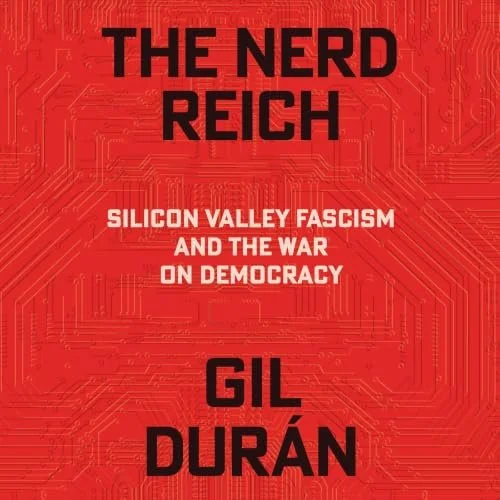
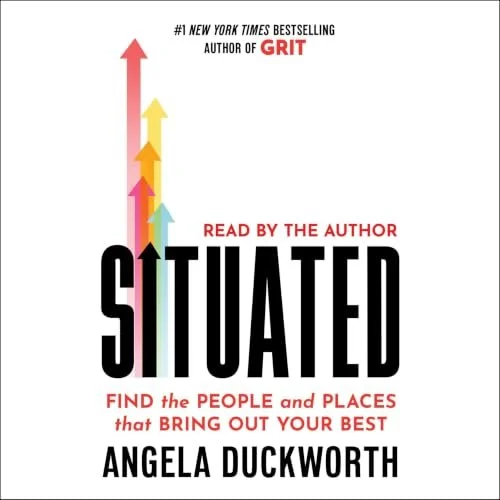
on the bookshelf
Geopolitics, power, institutions, and why nations rise and fall.
I have always been drawn to the question underneath the question. Not just what is happening, but why it was always going to happen this way. These books look at the world from altitude. They trace the geography, the institutions, the cycles of power, and the structural forces that shape what is possible for nations, economies, and the people living inside them. They are not optimistic books. They are honest ones. And honesty, at scale, turns out to be its own kind of clarity.
Motivation, potential, leadership, and the courage to lead well.
Some books explain why we fall short. These books are interested in something else entirely. What actually propels people forward? Not the motivational shorthand, but the real mechanics underneath ambition, resilience, and the kind of leadership that leaves something worth inheriting. Read together, they build a surprisingly coherent picture of what it takes to create the conditions for people to do their best work.

Cycles, generations, demographic shifts, and the long arc of history.
Most of us measure time in days and quarters. These books measure it in decades, generations, and centuries. They ask a different kind of question. Not what is happening, but what kind of moment is this, and where does it sit inside a much longer arc. Some of them work from demographic data. Some from historical cycle theory. Some from the trajectory of technology itself. They arrive from different directions and land in the same place.

Influence, culture, communication, and why things catch.
Some ideas spread. Most don't. The books on this shelf are obsessed with that gap. They look at the mechanics of influence, the architecture of culture, and the invisible forces that determine why some messages land and others disappear without a trace. Whether you are trying to lead a team, shift a narrative, or simply understand why the world moves the way it does, these books give you a language for what you are watching.
Psychology, personality, belief, and how minds actually work.
The most important patterns are often the ones closest to us. The assumptions we never examine. The stories we tell ourselves about why we did what we did. The gap between who we believe we are and how we actually behave under pressure. These books live in that gap. They are not self-help books. They are excavation tools. Some of them will make you uncomfortable. That is precisely the point.
Philosophy, meaning, and the questions worth asking.
Not every question worth asking has a comfortable answer. The books on this shelf are less interested in comfort than in clarity. They push back against the assumptions most of us inherit, the stories we tell about success, meaning, fairness, and what a well-lived life actually requires. Some of them are provocative on purpose. All of them are worth the discomfort they create.