
dig deeper
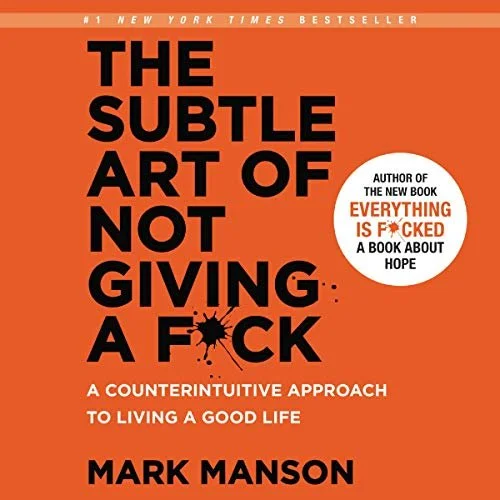
The Subtle Art of Not Giving a F*ck, Mark Manson
Manson's title is deliberately provocative and the argument underneath it is more serious than the packaging suggests. The book is not about apathy. It is about choosing carefully what deserves your attention, your energy, and your emotional investment. In a culture that monetizes outrage and manufactures urgency, that turns out to be a radical act.
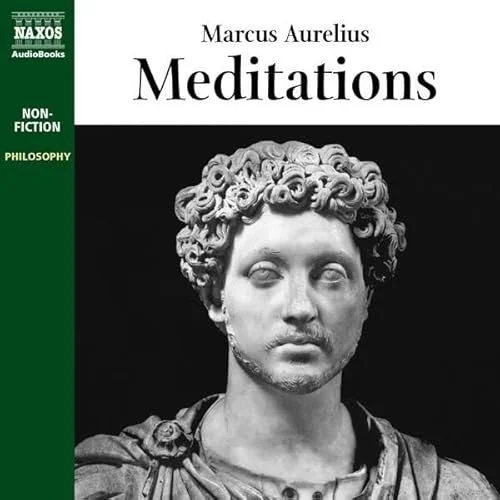
Meditations, Marcus Aurelius
A Roman emperor writing private notes to himself about how to live well and lead with integrity. He never intended anyone to read them. That is precisely what makes them worth reading. Two thousand years have not dulled the urgency of what he is working through. Duty, impermanence, the gap between what we control and what we do not. This is the book I return to when the noise gets loud.
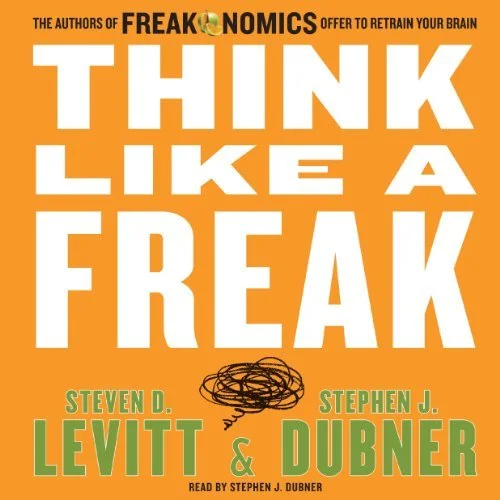
Think Like a Freak, Steven Levitt and Stephen Dubner
The Freakonomics duo at their most practical. This one is less about surprising data and more about the thinking habits that produce surprising insights. How to ask better questions. How to resist the pull of conventional wisdom. How to be wrong productively. A useful companion to everything else on this shelf because it is fundamentally about how to examine your own assumptions before they examine you.
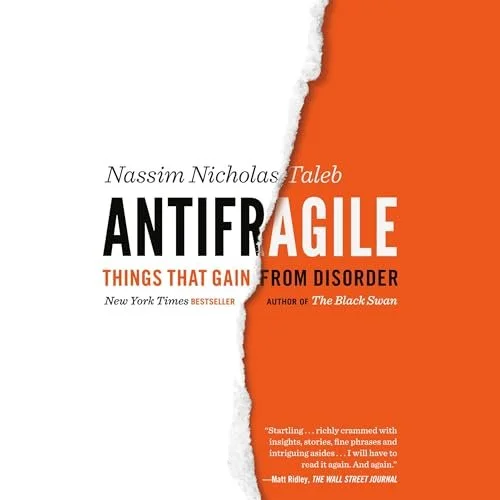
Antifragile, Nassim Taleb
Taleb makes a distinction that most of us have never thought to make. There is fragile, which breaks under pressure. There is robust, which resists it. And then there is antifragile, which actually gets stronger because of it. The concept reframes how you think about risk, disruption, and what it means to build something that lasts. Challenging in places and worth every page of the effort.
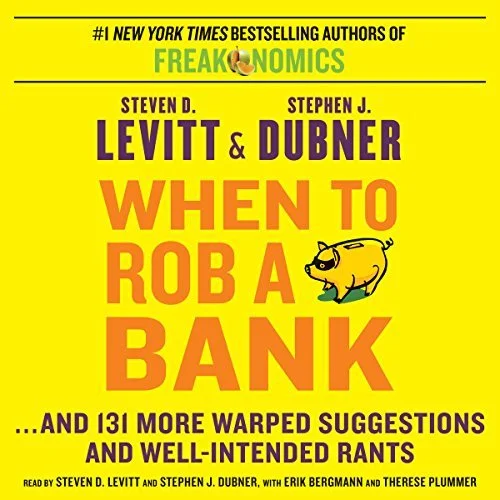
When to Rob a Bank, Steven Levitt and Stephen Dubner
Less a book than a curated collection of the best thinking from the Freakonomics blog, which means it covers an almost absurd range of territory in short, sharp bursts. The title is the point. The most interesting questions are usually the ones nobody thinks to ask. This is a good book for the spaces between longer reads, when you want something that makes you think without requiring you to sit still for very long.
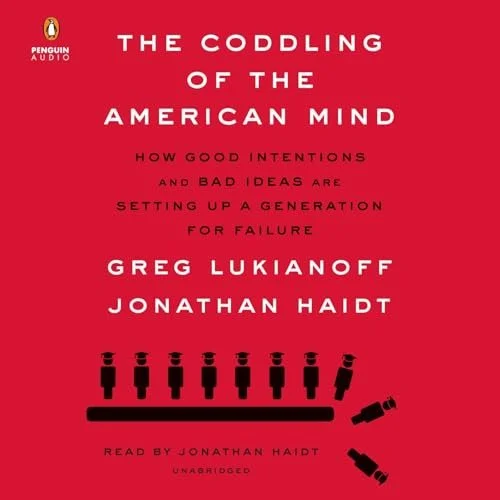
The Coddling of the American Mind, Greg Lukianoff and Jonathan Haidt
Lukianoff and Haidt argue that three bad ideas have quietly taken hold in American culture and that they are making an entire generation more fragile rather than more resilient. The book is not a generational complaint. It is a careful, research-grounded examination of how good intentions can produce exactly the outcomes they were meant to prevent.
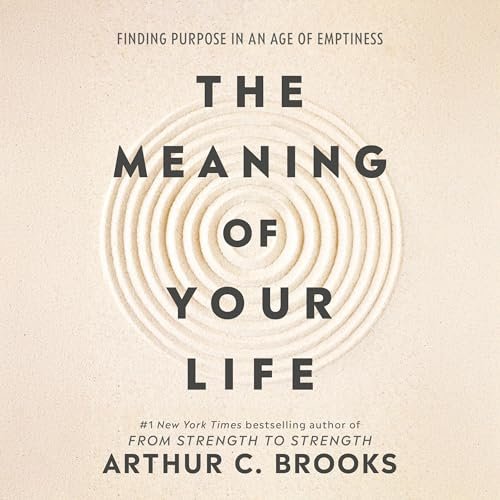
The Meaning of Your Life, Arthur C. Brooks
Brooks asks the question most high achievers spend decades avoiding. Not whether they are successful, but whether their success means anything. Written at a moment when the culture is saturated with productivity and starved for purpose, this is his most urgent book. The argument is both scientific and deeply human. What we are searching for has always been available to us. We have simply been looking in the wrong places.
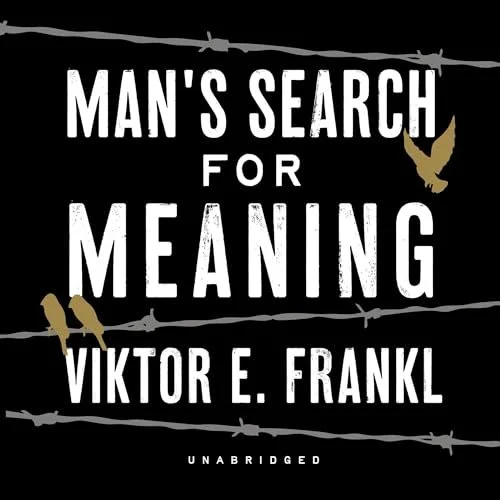
Man's Search for Meaning, Viktor Frankl
Frankl was a psychiatrist who survived four Nazi concentration camps and wrote this book to answer one question. What allows a person to endure the unendurable? His answer is not resilience in the way we typically talk about it. It is meaning. The conviction that your suffering is connected to something larger than itself. Written in nine days and never out of print since. One of the few books that genuinely changes the questions you ask about your own life.