
how the world works
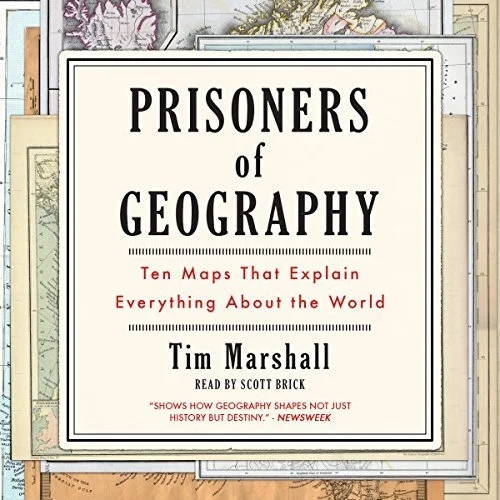
Prisoners of Geography, Tim Marshall
Most of what we call history is actually geography in slow motion. Marshall makes the case that rivers, mountains, and coastlines have always determined who has power, who is vulnerable, and who will fight over what. I have read this twice. It changes how you look at a map forever.
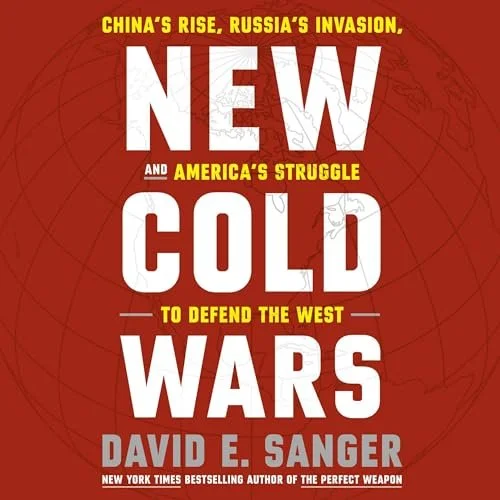
New Cold Wars, David E. Sanger
If Dalio gives you the long view, Sanger gives you the present tense. This is journalism at its most rigorous, tracing how China, Russia, and the United States are navigating a world that no longer has a clear center of gravity. Required reading for anyone trying to understand what is actually at stake right now.
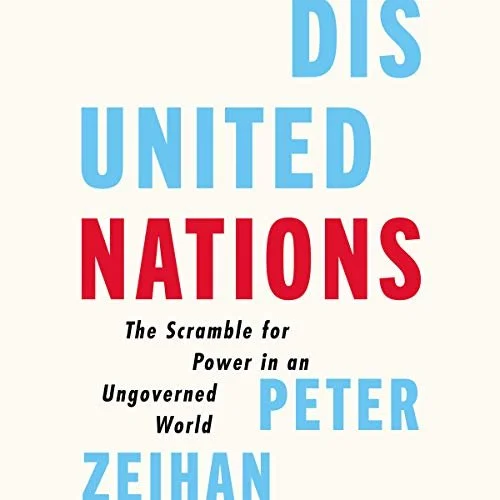
Disunited Nations, Peter Zeihan
Where The Accidental Superpower diagnoses the unwinding, this one maps what comes next. Zeihan walks country by country through a world without American-enforced order and the picture is neither comfortable nor simple. A necessary companion to the first book.
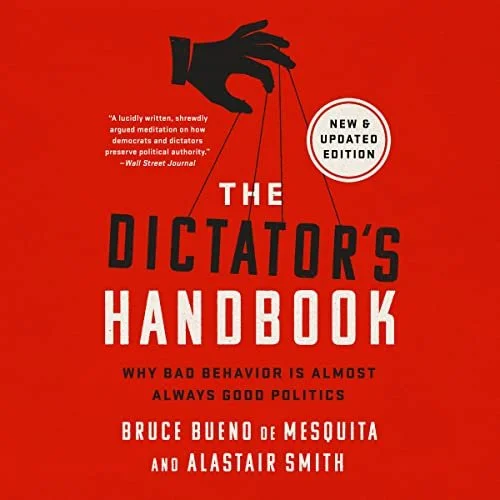
The Dictator's Handbook, Bruce Bueno de Mesquita and Alastair Smith
The most clarifying book about power I have ever read. The argument is simple and devastating. Leaders do not govern for their people. They govern for the coalition that keeps them in power. Once you understand that logic, almost everything about politics, corporate life, and institutional behavior starts to make sense.
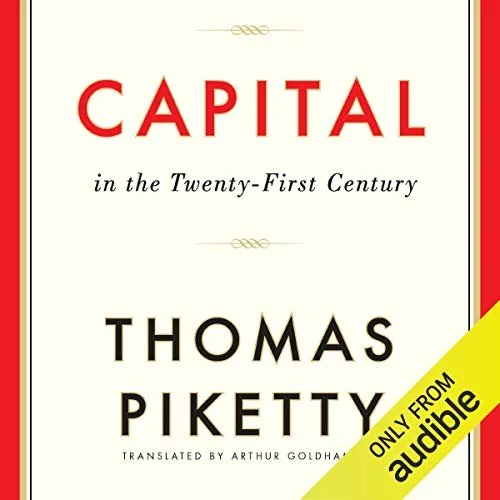
Capital in the Twenty-First Century, Thomas Piketty
Piketty spent years assembling data on wealth and inequality across centuries and what he found is both simple and uncomfortable. When the return on capital consistently outpaces economic growth, wealth concentrates. Not as a policy failure. As a mathematical certainty. Dense in places, but worth the effort.
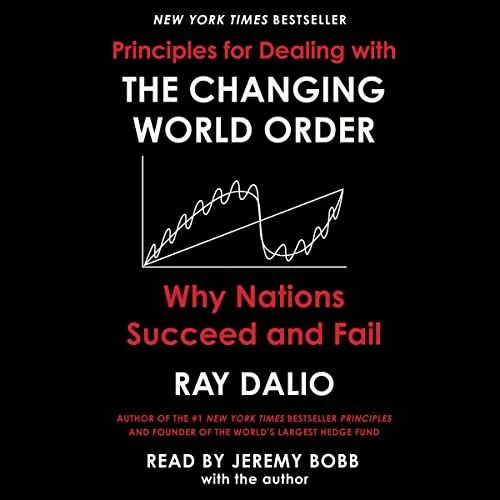
Principles for Dealing with the Changing World Order, Ray Dalio
Dalio studies the rise and fall of empires the way a physician studies a patient. Methodical, pattern-driven, and unsentimental. What emerges is a framework for understanding why the current moment feels like a hinge, and why that feeling is historically accurate.
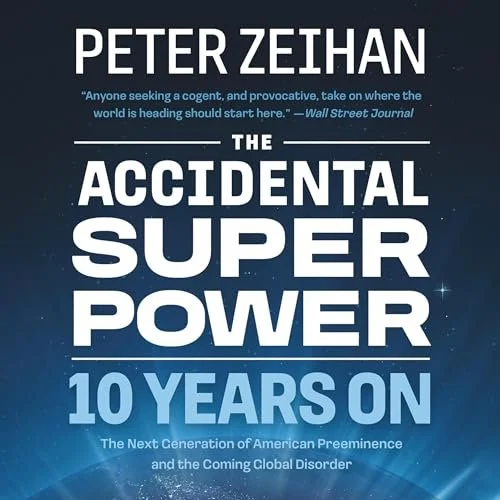
The Accidental Superpower, Peter Zeihan
Zeihan argues that American dominance was never inevitable. It was geographical. And the conditions that made it possible are quietly unwinding. I have read both editions. The update only sharpened the argument. Once you see it, you cannot unsee it.
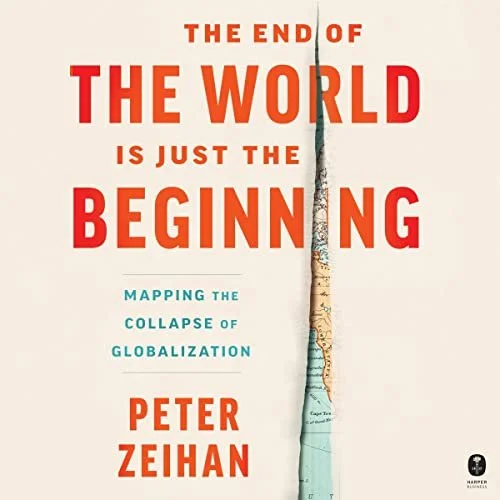
The End of the World Is Just the Beginning, Peter Zeihan
Zeihan's most ambitious book. Where the earlier works focus on geopolitics, this one follows the collapse of globalization into every corner of daily life. Supply chains, food, energy, manufacturing. The title sounds dramatic. The argument does not.
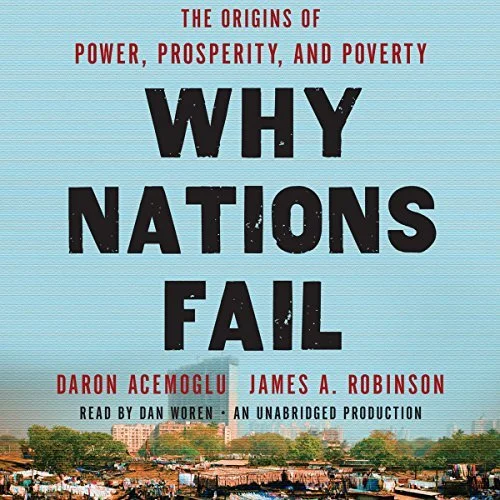
Why Nations Fail, Daron Acemoglu and James A. Robinson
Acemoglu and Robinson ask the oldest question in economics and political science. Why are some nations rich and others poor? Their answer has nothing to do with culture, geography, or luck. It has everything to do with institutions. Who builds them, who controls them, and who they are designed to exclude.
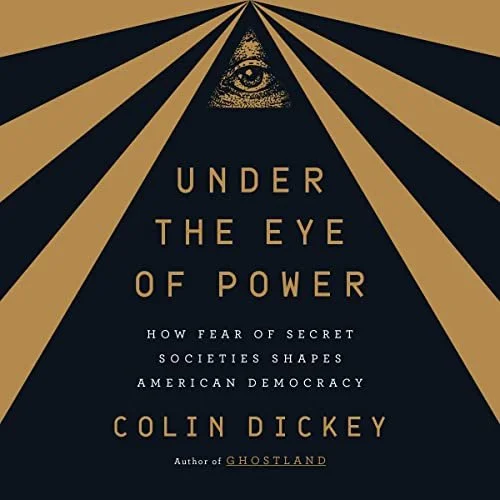
Under the Eye of Power, Colin Dickey
A different kind of entry on this shelf. Dickey traces the long American tradition of conspiracy thinking, not to debunk it, but to understand what it reveals about who feels excluded from power and why. It belongs here because fear of secret societies turns out to be a surprisingly accurate map of how power actually moves.