

what lies beneath
Memories, Dreams, Reflections, C.G. Jung
Jung's autobiography is unlike any other. Less a chronology of events and more a cartography of the interior life. He writes about dreams, visions, and the long work of understanding what lives beneath conscious awareness with the same rigor he brought to his clinical work. It is not an easy read. It is a necessary one. This is the book that changes the questions you ask about yourself.
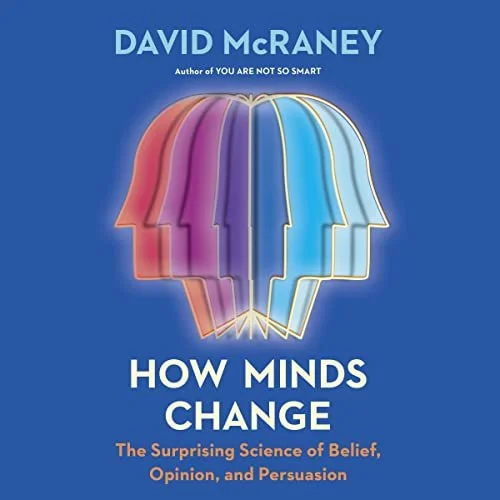
How Minds Change, David McRaney
Most of us think we change our minds through logic and evidence. We don't. McRaney spent years studying the science of belief change and what he found is both humbling and hopeful. The process is slower, messier, and far more human than rational argument would suggest. Essential reading for anyone who has ever tried to change someone else's mind and failed.
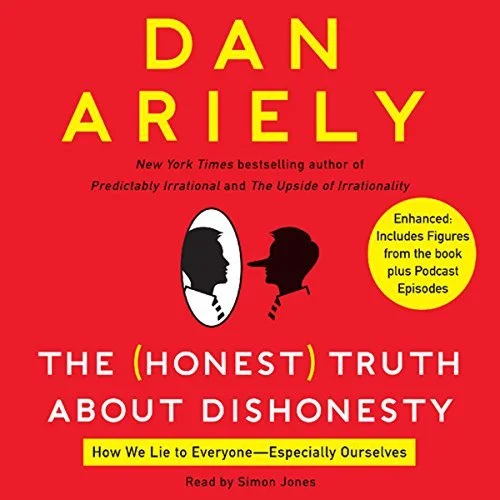
The Honest Truth About Dishonesty, Dan Ariely
A natural follow-on to Predictably Irrational, but darker. Ariely turns his attention to how and why we deceive, and his findings are not particularly flattering. Most of us are not honest. We are just dishonest within a range we can live with. The most unsettling part is how familiar that sounds.
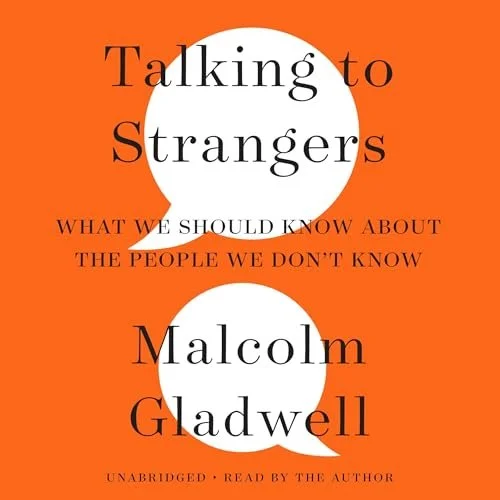
Talking to Strangers, Malcolm Gladwell
Gladwell asks why we are so consistently wrong about people we have just met, and the answer is more structural than personal. We are not bad judges of character. We are operating on a set of default assumptions that work most of the time and fail catastrophically the rest. The cases he builds his argument around are unforgettable and the implications reach much further than first encounters.
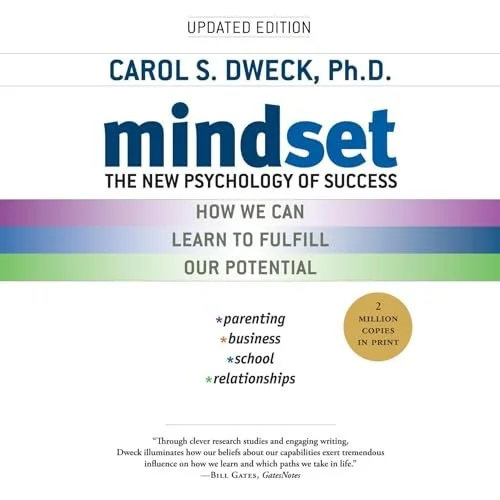
Mindset, Carol S. Dweck
Dweck's research on fixed versus growth mindset has become so widely cited that it's easy to dismiss as familiar. Don't. The original argument is more precise and more challenging than the summary version most people have encountered. The question she is really asking is not whether you believe you can grow. It is whether you actually live that way when it costs you something.
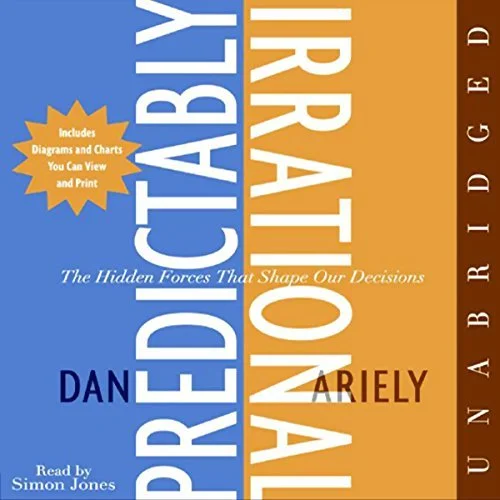
Predictably Irrational, Dan Ariely
Ariely's foundational argument is simple and devastating. We are not rational actors who occasionally make mistakes. We are irrational actors who follow predictable patterns. The forces shaping our decisions are largely invisible to us, and they operate whether we acknowledge them or not. This is the book that starts the Ariely rabbit hole. It is worth going down.
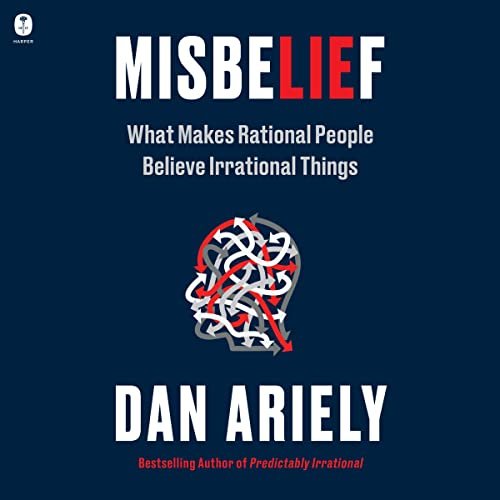
Misbelief, Dan Ariely
Ariely's most recent and most urgent book. Where his earlier work examined everyday irrationality, this one asks how otherwise reasonable people end up holding beliefs that are demonstrably false and why they hold them with such conviction. Written in the shadow of the pandemic and its aftermath, it is the most timely of the three and the hardest to put down.
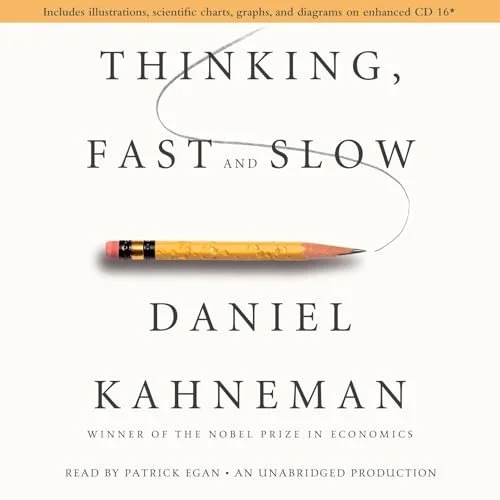
Thinking Fast and Slow, Daniel Kahneman
Kahneman spent a career mapping the two systems that govern human thought. System one is fast, intuitive, and automatic. System two is slow, deliberate, and effortful. The problem is that we vastly overestimate how often we are using the second one. This is the book that sits underneath behavioral economics, cognitive bias research, and most of what Ariely, Gladwell, and McRaney are doing. Reading it feels like getting the source code.
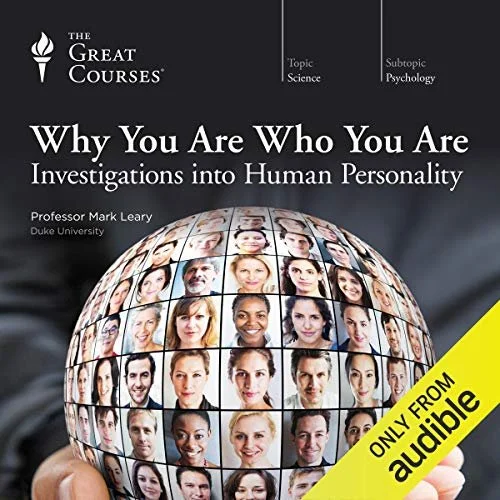
Why You Are Who You Are, Mark Leary
A Great Courses lecture series in audiobook form, which means it covers more ground more systematically than most single-author books on personality. Leary is a careful and precise thinker and he resists the temptation to oversimplify. What emerges is a genuinely useful map of the forces, biological, social, and situational, that shape who we become and why we stay that way longer than we should.