
what drives us
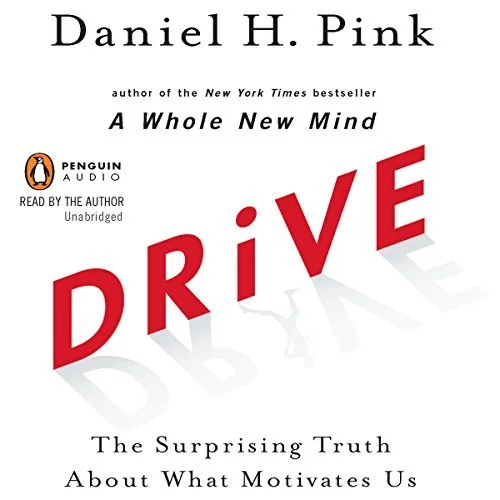
Drive, Daniel H. Pink
Everything you were taught about motivation is probably wrong. Pink draws on decades of behavioral science to dismantle the assumption that carrots and sticks produce lasting performance. They don't. What actually works is autonomy, mastery, and purpose. Simple in theory. Surprisingly rare in practice.
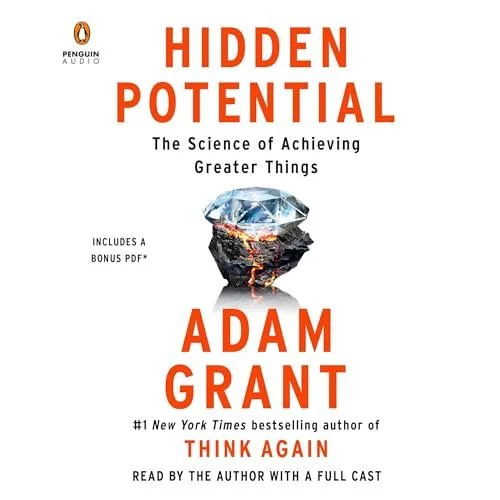
Hidden Potential, Adam Grant
Grant challenges the way we typically identify and develop talent. Most systems are built to reward early bloomers and miss everyone else. Hidden Potential is about the people who start further back and go further than anyone expected, and what that reveals about how growth actually works. Less about natural ability and more about the systems and strategies that allow potential to surface over time.
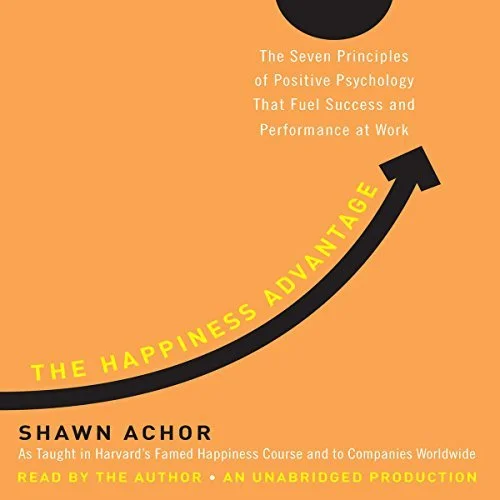
The Happiness Advantage, Shawn Achor
Most of us have the relationship between happiness and success backwards. We believe success produces happiness. Achor's research suggests the opposite is true. Happiness is not the reward for high performance. It is the precondition for it. The implications for how we structure work, measure progress, and treat the people around us are harder to ignore than they might initially appear.
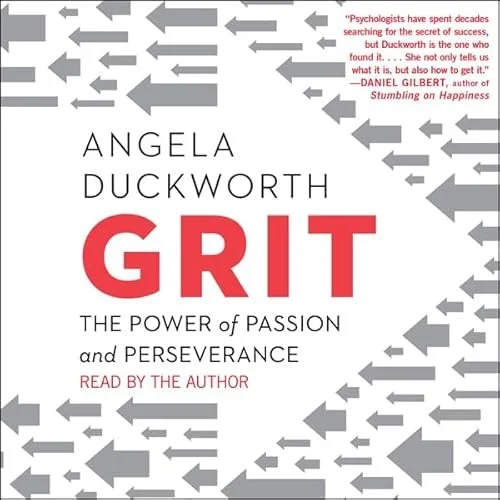
Grit, Angela Duckworth
Duckworth spent years studying high performers across wildly different fields and found that talent was rarely the differentiator. What separated the ones who made it was something quieter and considerably harder to measure. The combination of passion and perseverance she calls grit turns out to be more predictive of long term success than almost anything else. Including intelligence.
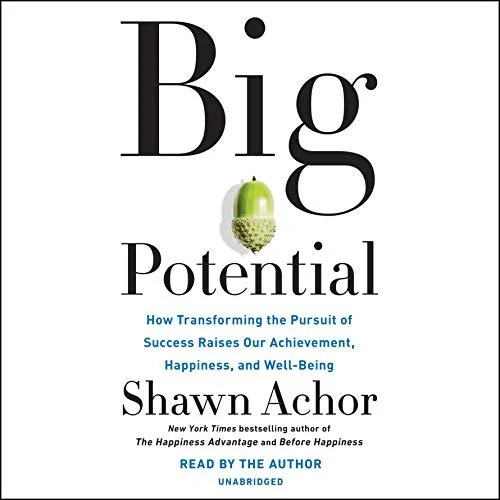
Big Potential, Shawn Achor
Achor's argument is a direct challenge to the mythology of the lone high performer. Potential is not a solo endeavor. It is relational. The research he builds his case on shows that the people who achieve the most are almost never the ones working hardest in isolation. They are the ones who have learned how to activate the potential in the people around them. Which in turn activates their own.
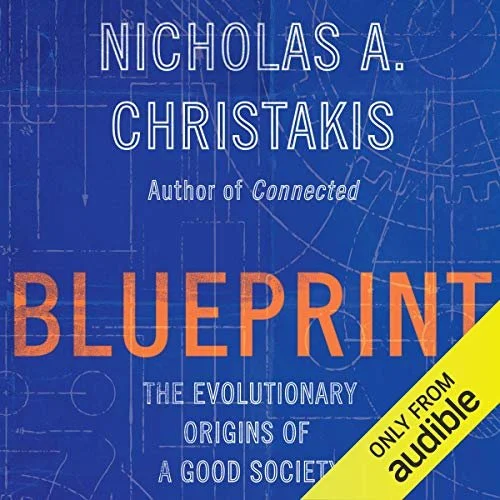
Blueprint, Nicholas A. Christakis
Christakis makes a case that runs against the current of most cynical thinking about human nature. We are not, at our core, selfish and tribal. Evolution has wired us for cooperation, friendship, and the building of good societies. The blueprint is already there. This book is about learning to read it, and about what happens when the conditions allow it to express itself fully.
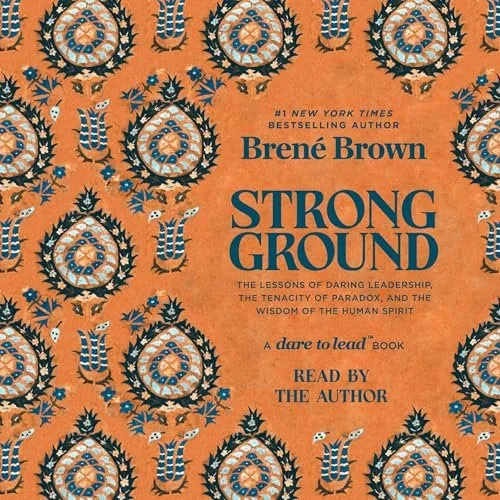
Strong Ground, Brené Brown
Brown's most recent work and in some ways her most mature. Where Dare to Lead focused on the behaviors of courageous leadership, Strong Ground goes deeper into the paradoxes that every leader eventually has to reckon with. The tension between confidence and humility. Between holding firm and staying open. Between the leader you are and the one the moment is asking you to become.
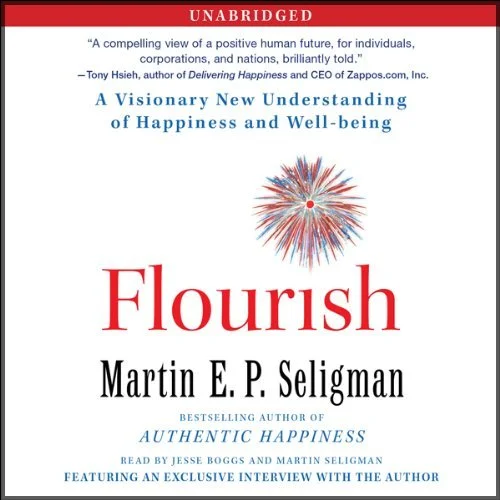
Flourish, Martin Seligman
Seligman is the father of positive psychology and this is his most complete statement of what that actually means. Not the absence of struggle, but the presence of something worth building toward. He introduces the PERMA framework, engagement, relationships, meaning, accomplishment, and wellbeing, and the result is one of the most useful maps of human thriving ever written.
Dare to Lead, Brené Brown
Brown brings her research on vulnerability and courage directly into organizational life. The argument is straightforward even if the practice is not. The leaders who build the most durable cultures are the ones willing to have the hardest conversations, sit with uncertainty, and show up without armor. This is not a book about being soft. It is a book about being honest enough to lead well.
Outliers, Malcolm Gladwell
Gladwell dismantles the myth of the self-made success story. The people we call outliers are not simply harder working or more talented than everyone else. They are the beneficiaries of hidden advantages, unusual timing, and cultural legacies that most of us never stop to examine. It is a book that makes you more generous toward your own story and more honest about what actually made the difference.