
how ideas travel
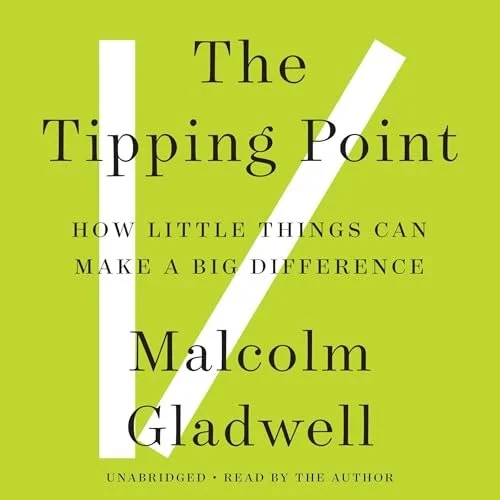
The Tipping Point, Malcolm Gladwell
Gladwell's foundational argument is that change doesn't happen gradually. It tips. Small things accumulate quietly until a threshold is crossed and suddenly everything moves at once. He maps the conditions that make tipping possible, the people who carry ideas, the stickiness of the message, and the power of context. It is the book that made epidemiology a useful metaphor for everything else.
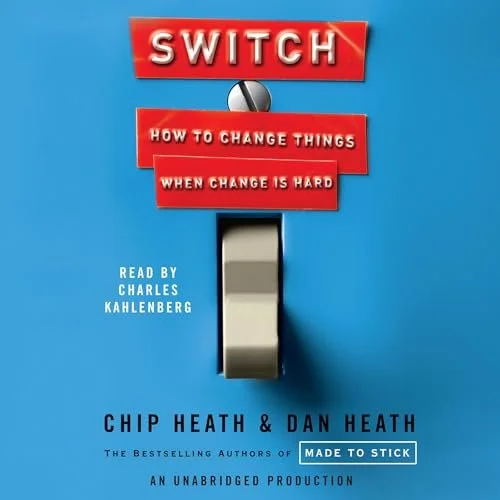
Switch, Chip Heath and Dan Heath
Change is hard. The Heath brothers want to know why, and more importantly, what to do about it. Their framework separates the rational mind from the emotional one and asks what it takes to get them moving in the same direction at the same time. Practical without being reductive and grounded in research without feeling academic. The best book on change management that never calls itself that.
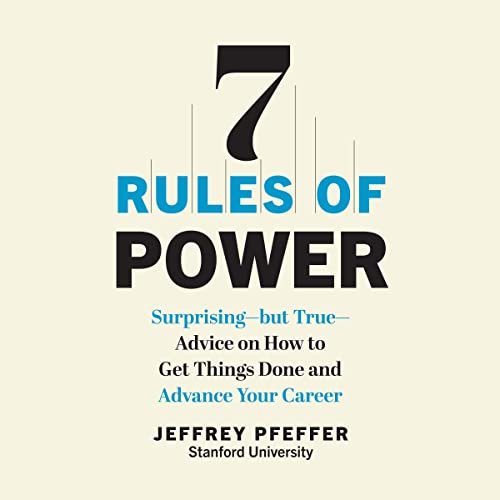
7 Rules of Power, Jeffrey Pfeffer
Pfeffer is not interested in how power should work. He is interested in how it actually works. The rules he lays out are uncomfortable precisely because they are accurate. This is not a book that will make you feel good about organizational life. It is a book that will make you significantly harder to surprise by it. Read alongside The Dictator's Handbook for the full picture.
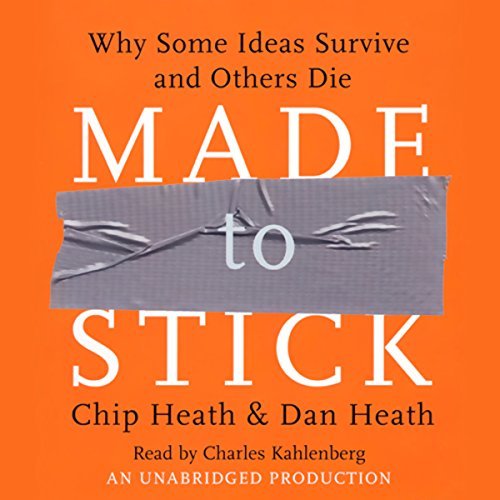
Made to Stick, Chip Heath and Dan Heath
The Heath brothers ask a deceptively simple question. Why do some ideas survive and others die? The answer turns out to have a structure. Simple, unexpected, concrete, credible, emotional, and story driven. Not a checklist so much as a way of thinking about what makes an idea worth remembering. Essential reading for anyone who has ever had a good idea that went nowhere.
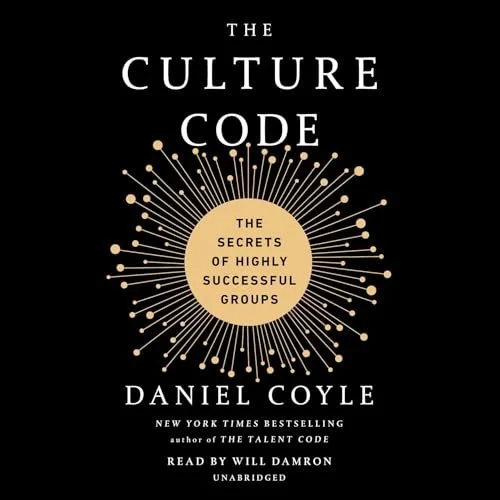
The Culture Code, Daniel Coyle
Coyle spent years inside some of the world's most successful groups trying to understand what made them work. What he found was not what most people expect. Culture is not built through mission statements or off-sites. It is built through small, repeated signals that tell people whether they are safe, whether they belong, and whether the work matters. This book changed how I think about every room I walk into.
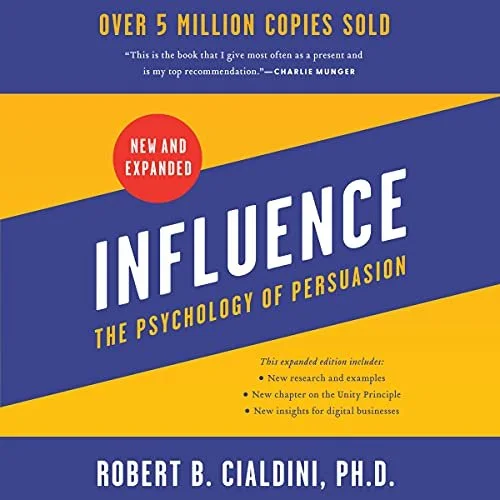
Influence, Robert Cialdini
The foundational text on persuasion and the book that every other entry on this shelf is in conversation with whether it knows it or not. Cialdini identified six principles that govern how humans are moved to say yes, reciprocity, commitment, social proof, authority, liking, and scarcity, and the result is both a manual and a mirror. Essential for anyone who leads, communicates, or simply wants to understand why they do what they do when someone asks them to.